Fun Activities to Do with Your Baby - Bonding Through Laughter and Play!
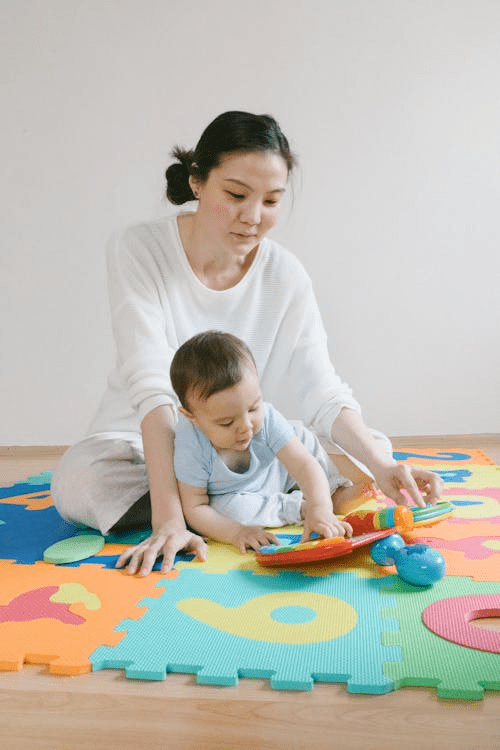
Engage your baby with daily, simple activities that boost development and bonding. Top choices include playing peek-a-boo, reading board books, singing songs, exploring with sensory bottles, tummy time, and playing with water or kitchen items. These activities stimulate, build motor skills, and foster joy.
Spending quality time with your baby isn’t just adorable — it plays a huge role in their brain development, emotional security, and physical growth. The best part? Babies don’t need expensive toys or complicated plans. Simple, loving interaction is what matters most.
Whether you’re a new parent or looking for fresh ideas, these fun baby activities will keep your little one happy while supporting their development.
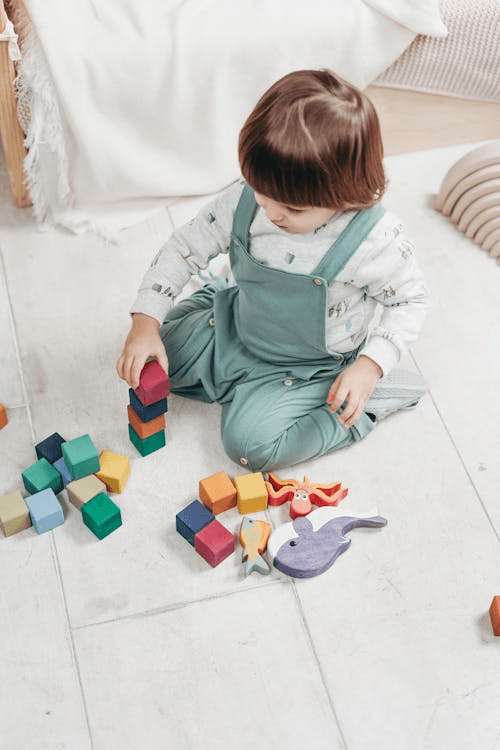
Key Fun Activities for Babies:
Babies may be small, but their brains are growing at an incredible speed. In the first year of life, your baby’s brain forms millions of connections every second. The best part? You don’t need expensive toys or complicated plans to support that growth. The most powerful tools are simple interaction, love, and play.
Fun activities for babies are not just about entertainment — they help build motor skills, foster language development, promote emotional security, and support cognitive growth. Whether you have a newborn or a curious crawler, here are key activities that are both enjoyable and developmentally beneficial.
1. Tummy Time Play
Tummy time is one of the most important activities for babies, especially in the first few months.
Why It Matters:
- Strengthens neck, shoulder, and arm muscles
- Prevents flat spots on the head
- Prepares the baby for rolling and crawling
- Get down on the floor face-to-face
- Use a mirror so the baby can see their reflection
- Place colorful toys nearby
- Sing songs or make funny faces
Start with short sessions (2–3 minutes) and gradually increase as your baby grows stronger.
2. Talking and Singing Together
Your voice is your baby’s favorite sound. Talking and singing are powerful tools for brain development.
Benefits:
- Builds early language skills
- Improves listening ability
- Strengthens emotional bonding
Describe everyday activities:
- “Now we’re putting on your socks.”
- “Look at the bright blue sky!”
Sing simple nursery rhymes or repeat songs with hand motions. Babies love repetition — it helps them learn patterns and sounds.
3. Reading Time
Even newborns benefit from reading. You’re not just reading words — you’re building communication skills.
What to Choose:
- High-contrast black and white books (for newborns)
- Board books with large pictures
- Soft cloth books
Point at pictures, name objects, and change your voice for different characters. Reading daily builds vocabulary and attention skills long before your baby can speak.
4. Sensory Exploration
Babies learn through their senses — touch, sight, sound, and movement.
Easy Sensory Activities:
- Let the baby feel different textures (soft blanket, smooth spoon, crinkly paper)
- Safe water play with supervision
- Gentle exposure to natural sunlight and outdoor sounds
- Soft music or nature sounds
Sensory play stimulates brain development and helps babies understand their environment.
5. Mirror Play
Babies are fascinated by faces — especially their own.
Place your baby in front of a safe mirror and:
- Point to their nose, eyes, and mouth
- Smile and laugh
- Make silly expressions
Mirror play supports social development and self-awareness. It also helps babies learn about facial expressions and emotions.
6. Gentle Baby Massage
Massage is both relaxing and beneficial for physical and emotional growth.
Benefits:
- Improves circulation
- Supports digestion
- Encourages better sleep
- Strengthens bonding
Use gentle strokes and talk softly during the massage. Many parents find this especially helpful before bedtime.
7. Dance and Movement
Movement stimulates your baby’s senses and supports coordination.
Try:
- Holding your baby and swaying to music
- Gently bouncing while singing
- Encouraging leg kicks during play
Music combined with movement enhances mood, rhythm recognition, and emotional connection.
8. Reaching and Grabbing Games
As babies grow, they become more curious about reaching for objects.
Provide:
- Soft rattles
- Teething toys
- Lightweight objects
Place toys slightly out of reach to encourage stretching and movement. This builds hand-eye coordination and muscle strength.
9. Peek-a-Boo and Simple Social Games
Classic baby games have lasting developmental value.
Why Peek-a-Boo Is Powerful:
- Teaches object permanence (things exist even when hidden)
- Encourages laughter and bonding
- Builds memory skills
Other simple games, such as pat-a-cake or clapping hands, help develop rhythm and motor coordination.
10. Outdoor Walks
Fresh air benefits both babies and parents.
During a Walk:
- Point out trees, birds, and cars
- Describe what you see
- Let the baby observe movement and light
Outdoor time supports sensory development and can improve sleep quality.
Activities by Age Group
0–3 Months
- Skin-to-skin cuddling
- Tummy time
- Talking and singing
- Tracking objects with eyes
At this stage, babies focus mainly on faces and sounds.
3–6 Months
- Reaching and grabbing toys
- Mirror play
- Rolling practice
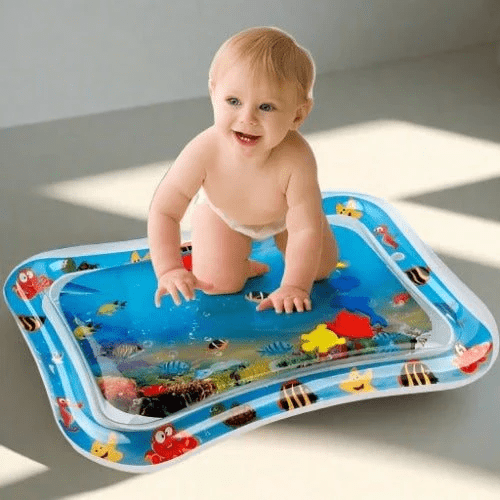
- Simple sensory mats
Babies become more active and curious about their surroundings.
6–12 Months
- Crawling games
- Stacking soft blocks
- Interactive songs with gestures
- Exploring safe household items
Older babies enjoy exploration and cause-and-effect activities.
Tips for Successful Playtime
✔ Follow your baby’s cues — stop if they seem tired or overstimulated
✔ Keep activities short (5–15 minutes is often enough)
✔ Repeat favorite games
✔ Smile, make eye contact, and stay engaged
✔ Keep safety as your top priority
Babies don’t need constant entertainment. What they need most is responsive interaction and loving attention.
Why Play Matters More Than You Think
Play is not “extra” — it is how babies learn.
Through play, babies:
- Build brain connections
- Develop motor skills
- Learn communication
- Feel emotionally secure
Even simple daily interactions, such as cuddling, smiling, and talking, create strong neural pathways that support lifelong learning.
FAQ:
What can I do with my baby for fun?
For example, you can:
- Look at books and sing songs and nursery rhymes with your child – it's fun and will help them develop language and communication skills.
- Use things that you've already got lying around the house.
- Get involved yourself – your child will learn more from you than they will from any toy.
What are type 3 fun activities?
Type 3 Fun often occurs when you're wet, cold, hungry, and tired. If you get lost on your hike back to the car after a long rock climb, your feet hurt, and you have no water, you're probably in the midst of Type 3 Fun.
What are 5 examples of activities?
Seeing a movie, art or sports game, sightseeing, driving, caring for pets, playing a video game, reading a book (including a comic) as a hobby, playing a musical instrument as part of club activities - Activities done as a hobby, such as confectionery-making, are included in this category.
Final Thoughts
Fun activities for babies don’t need to be complicated. The most meaningful moments often come from simple interactions — a song before bedtime, laughter during peek-a-boo, or quiet cuddles after feeding.
Remember, you are your baby’s favorite person. Your attention, voice, and presence matter more than any toy.