Conseils de voyage en toute sécurité avec un nouveau-né !
Voyager avec un nouveau-né peut sembler intimidant, surtout si c'est la première fois. Entre les repas, les changements de couches, les siestes et les horaires imprévisibles, l'idée de naviguer dans les aéroports, les vols ou les longs trajets peut paraître accablante. La bonne nouvelle est que voyager avec un nouveau-né ne doit pas être stressant. Avec une préparation réfléchie, des attentes réalistes et un état d'esprit flexible, cela peut être une expérience fluide et même agréable.
Ce guide contient des conseils essentiels pour vous aider à vous sentir confiant et préparé lorsque vous voyagez avec votre nouveau-né, que vous preniez l'avion à l'étranger, que vous fassiez un voyage intérieur ou que vous partiez pour une courte escapade.
Restez préparé, mais flexible
La préparation est essentielle lorsque vous voyagez avec un nouveau-né, mais la flexibilité est tout aussi importante. Les bébés sont imprévisibles et les projets de voyage ne se déroulent pas toujours exactement comme prévu. Les vols peuvent être retardés, les siestes peuvent être manquées et les repas peuvent avoir lieu plus tôt ou plus tard que prévu.
Au lieu d'essayer de contrôler chaque détail, préparez des plans de secours pour chaque activité. Prévoyez du temps supplémentaire pour les transitions, intégrez du temps tampon à votre emploi du temps et préparez-vous mentalement aux changements. Un état d'esprit flexible réduit le stress et vous permet de réagir calmement lorsque les plans changent.
Apportez un porte-bébé pour plus de commodité sans les mains
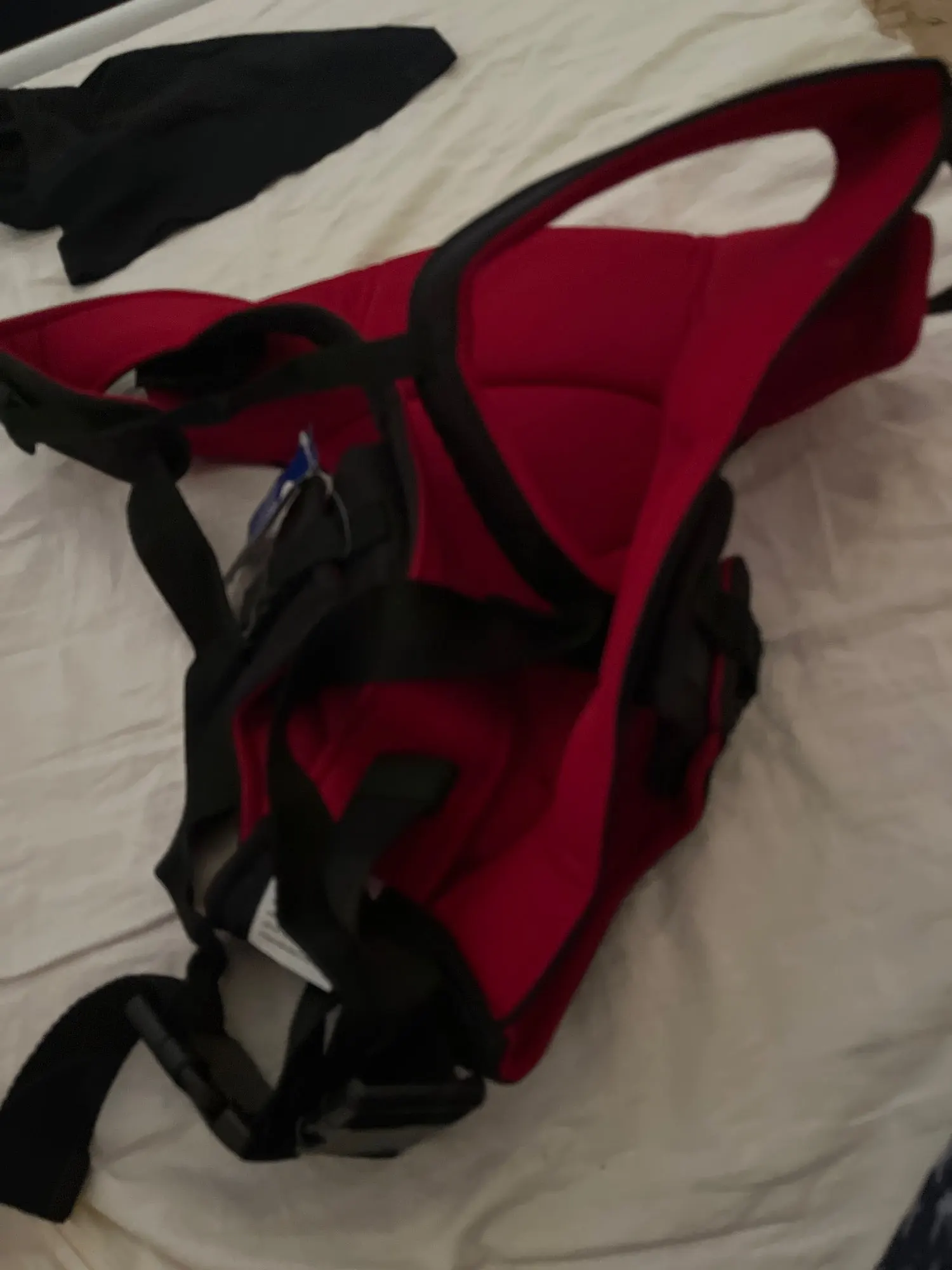
Un porte-bébé est l'un des accessoires de voyage les plus précieux pour les parents de nouveau-nés. Le portage de bébé libère vos mains tout en offrant un espace sûr et réconfortant à votre bébé. Les nouveau-nés sont souvent apaisés par la proximité, le mouvement et la chaleur, ce qui leur permet de faire plus facilement la sieste pendant que vous êtes en déplacement.
Les porte-bébés sont particulièrement utiles dans les aéroports, les zones bondées et les endroits où les poussettes peuvent être peu pratiques. Ils facilitent également l'embarquement, les contrôles de sécurité et la marche dans les allées étroites. Choisissez un porte-bébé qui offre un bon soutien de la tête et du cou et qui est confortable pour une utilisation prolongée.
Pensez à une poussette de voyage légère
Bien que les porte-bébés soient idéaux pour la mobilité, une poussette de voyage peut être incroyablement utile pour les longues journées ou lorsque vous avez besoin d'une pause. Les poussettes de voyage sont légères, compactes et conçues pour être faciles à plier et à transporter. De nombreux modèles peuvent être enregistrés à la porte d'embarquement, ce qui les rend particulièrement pratiques pour les voyages en avion.
Si vous voyagez à l'étranger ou dans des villes animées, une poussette de voyage vous permet de vous déplacer efficacement tout en offrant à votre bébé un endroit confortable pour se reposer. Recherchez des poussettes avec des sièges inclinables adaptés aux nouveau-nés et une maniabilité fluide.
Gardez une routine constante (autant que possible)
Les nouveau-nés ont naturellement des horaires imprévisibles, mais maintenir une certaine constance peut faciliter les voyages. Essayez de conserver des routines de coucher, d'alimentation et de sieste similaires à celles de la maison. Des habitudes familières apportent du réconfort et aident à réguler le sommeil de votre bébé, même dans un nouvel environnement.
La cohérence pendant le voyage facilite également la transition vers votre routine habituelle une fois de retour à la maison. Apportez des articles familiers comme la gigoteuse, l'emmaillotage ou la machine à bruit blanc de votre bébé pour recréer un sentiment de normalité.
Achetez des couches à votre arrivée
L'un des meilleurs conseils de voyage pour gagner de la place est d'éviter d'emporter de grandes quantités de couches. La plupart des destinations disposent de supermarchés, de pharmacies et de magasins de proximité qui vendent des couches et des lingettes. Vous pouvez également utiliser des services de livraison locaux pour faire livrer des couches directement à votre hôtel ou à votre location de vacances.
Emportez suffisamment de couches pour les jours de voyage et les urgences, mais évitez d'en emporter trop. Cela laisse de la place dans vos bagages pour d'autres articles essentiels et réduit le poids inutile.
Comprendre les règles de la TSA avant de voyager
Naviguer dans la sécurité de l'aéroport avec un nouveau-né peut être stressant, mais comprendre les réglementations de la TSA à l'avance peut rendre le processus plus fluide. La TSA accorde certaines dispenses aux parents voyageant avec des bébés, notamment des biberons de lait maternisé, du lait maternel, de l'eau pour mélanger le lait maternisé et des aliments pour bébés en quantités supérieures aux limites de liquides standard.
Ces articles peuvent être contrôlés séparément, alors informez les agents de la TSA avant le début du contrôle. Examiner les règles de la TSA avant votre voyage permet d'éviter les surprises et les longs retards dans les files d'attente de sécurité.
Planifiez les tétées au décollage et à l'atterrissage
Pendant le décollage et l'atterrissage, les changements de pression en cabine peuvent provoquer de l'inconfort et des tympans qui claquent chez les bébés. Allaiter votre bébé pendant ces périodes peut aider à soulager la pression. L'allaitement maternel, le biberon ou l'offre d'une tétine encouragent la déglutition, ce qui aide à égaliser la pression dans les oreilles.
Planifiez les tétées de manière stratégique afin que votre bébé ait faim ou soit prêt à être apaisé pendant ces moments critiques. Même si le timing n'est pas parfait, offrir du réconfort peut réduire considérablement l'agitation.
Changez les couches avant l'embarquement
Les changements de couches pendant le décollage et les turbulences peuvent être difficiles, voire impossibles. Avant d'embarquer dans l'avion, vérifiez et changez la couche de votre bébé pour qu'il soit confortable pendant l'ascension. Cette simple étape peut éviter un inconfort et un stress inutiles.
Si votre bébé est sujet aux débordements, envisagez d'utiliser une couche de taille légèrement supérieure pendant les vols pour une protection supplémentaire. Gardez toujours un matelas à langer et des lingettes facilement accessibles dans votre sac à langer.
Prévoyez d'enregistrer les poussettes et les sièges auto à la porte d'embarquement
L'enregistrement à la porte d'embarquement de votre poussette et de votre siège auto vous permet de les utiliser dans l'aéroport sans vous soucier de transporter du matériel encombrant à bord. Une fois que vous avez passé la sécurité, vous pouvez enregistrer ces articles directement à la porte, en vous assurant qu'ils vous attendront à l'arrivée.
L'utilisation de sacs de voyage de protection pour les poussettes et les sièges auto peut aider à prévenir les dommages. L'enregistrement à la porte réduit la contrainte physique de transporter des articles lourds et rend les voyages en avion plus faciles à gérer.
Choisissez judicieusement vos sièges d'avion
Choisir le bon siège peut faire une grande différence lorsque vous voyagez avec un nouveau-né. Sur les vols internationaux, certaines compagnies aériennes proposent des berceaux dans la section cloison, offrant un espace de sommeil sûr pour les bébés. Ces sièges sont limités, alors demandez-les tôt.
Si un berceau n'est pas disponible, examinez attentivement vos préférences en matière de sièges. Un siège côté couloir permet un accès facile pour marcher et apaiser votre bébé, tandis qu'un siège côté fenêtre offre de l'intimité et moins de perturbations si vous préférez rester installé. Choisissez ce qui correspond le mieux à vos besoins parentaux et de confort.
Planifiez l'endroit où votre bébé dormira à votre destination
Avant votre arrivée, confirmez les arrangements de couchage pour votre nouveau-né. De nombreux hôtels et locations de vacances proposent des lits bébé, des berceaux ou des parcs de jeu sur demande. Si vous louez du matériel pour bébé, assurez-vous qu'il répond aux normes de sécurité.
Apporter vos propres draps de lit bébé peut ajouter de la familiarité et du confort, d'autant plus que les bébés trouvent souvent du réconfort dans les odeurs familières. Des arrangements de sommeil sûrs et cohérents aident votre bébé à s'adapter plus rapidement à un nouvel environnement.
Apportez une couverture pour l'avion
Les avions peuvent être froids, surtout pour les nouveau-nés. Apporter une couverture légère garantit que votre bébé reste au chaud et confortable. Les couvertures peuvent également être utilisées pour l'intimité pendant l'allaitement ou comme couche supplémentaire pendant les siestes.
Choisissez un tissu respirant et doux, facile à plier et à transporter. Une couverture polyvalente économise de l'espace tout en ajoutant du confort.
Emballez les nécessités dans votre sac à langer
Votre sac à langer est votre kit de survie en voyage. Le transport aérien peut être imprévisible, alors emportez plus que ce dont vous pensez avoir besoin. Les éléments essentiels comprennent :
- Des vêtements de rechange pour bébé (et une chemise de rechange pour vous)
- Des couches et des lingettes
- Des fournitures d'alimentation
- Des tétines
- Des bavoirs
- Un matelas à langer
- Du désinfectant pour les mains
Organisez les articles dans des pochettes séparées afin de pouvoir accéder rapidement à ce dont vous avez besoin. Être préparé vous aide à rester calme en cas de retards ou de désordres.
Préparation au voyage pour les nouveaux parents
Si vous êtes un nouveau parent qui prépare son premier voyage avec un nouveau-né, il est important d'être bien préparé pour assurer une expérience fluide. Envisagez de faire un essai, comme un court trajet en voiture ou une excursion d'une journée, pour vous familiariser avec le voyage avec votre bébé. Commencez à emballer tôt pour éviter le stress de dernière minute et créez une liste de contrôle pour vous assurer de n'oublier aucun article essentiel. Gardez également tous les documents importants, tels que l'acte de naissance de votre bébé, les informations d'assurance maladie et l'itinéraire de voyage, organisés et facilement accessibles. N'oubliez pas que la clé d'un voyage réussi est de garder votre bébé confortable et de respecter sa routine autant que possible. Bon voyage !
FAQ :
1. À quel âge peut-on voyager avec un nouveau-né ?
Généralement, vous devriez éviter de prendre l'avion avec votre nouveau-né tant qu'il n'a pas au moins 7 jours. Idéalement, attendez que votre bébé ait deux ou trois mois pour prendre l'avion. Les voyages en avion (et la présence dans des aéroports bondés) peuvent augmenter le risque pour un nouveau-né de contracter une maladie infectieuse.
2. Le voyage est-il sûr pour un nouveau-né ?
Les voyages en avion sont-ils sûrs pour un nourrisson ? Les voyages en avion sont généralement sûrs pour la plupart des nourrissons en bonne santé et nés à terme après les premières semaines. Les voyages en avion peuvent ne pas être une bonne idée pour les bébés nés avant leur date prévue, appelés prématurés.
3. Quelle est la règle des 40 jours pour les nouveau-nés ?
Au Moyen-Orient, se reposer 40 jours après avoir eu un bébé est une coutume en Jordanie, au Liban, en Égypte et en Palestine. Pendant ces 40 jours, quelqu'un vient à la maison ou reste avec la nouvelle mère pour prendre soin du bébé, de la maison et des autres enfants, afin que toutes les nouvelles mères n'aient qu'à se reposer.
Réflexions finales : Voyagez en toute confiance
Voyager avec un nouveau-né est une expérience d'apprentissage, et chaque voyage renforce la confiance. Bien que cela puisse sembler intimidant au début, une planification réfléchie et une attitude flexible peuvent transformer le voyage en une expérience familiale positive.
N'oubliez pas que les bébés n'ont pas besoin de la perfection, ils ont besoin de confort, de connexion et de soins. Faites confiance à votre instinct, soyez indulgent envers vous-même et concentrez-vous sur la création de moments de facilité plutôt que de viser une expérience de voyage parfaite. Avec la bonne préparation, voyager avec votre nouveau-né peut être non seulement gérable, mais profondément gratifiant.
kidsmodelista